
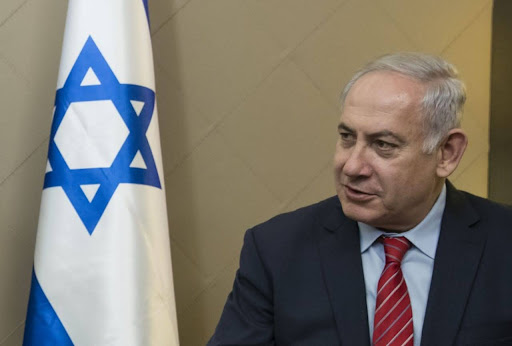
At a press conference held Friday, Israeli Prime Minister Benjamin Netanyahu made sweeping claims about the damage inflicted on Iran, asserting that the country has been robbed of both its uranium enrichment capability and its ballistic missile production after only twenty days of war. He denounced as misinformation any suggestion that Israel had pulled the United States into the conflict. Netanyahu conveyed an atmosphere of strategic confidence, suggesting the war’s end was closer than many assumed.
The prime minister was emphatic in describing his relationship with President Trump as deeply cooperative and free from manipulation. He asked rhetorically how anyone could believe Israel could dictate actions to Trump, a leader known for his independence. Netanyahu said the two men had arrived at a shared understanding of Iran’s threat organically, with Trump demonstrating his own sophisticated awareness of Tehran’s nuclear ambitions.
Israel’s strike on the South Pars gas compound at Asaluyeh was acknowledged by Netanyahu as a solo Israeli decision and action. He confirmed receiving a request from Trump to hold off on further strikes targeting Iranian gas assets, but framed this as a natural diplomatic exchange. Netanyahu made clear that the strike itself had already been carried out before or around the time of that communication.
Netanyahu brushed off Iran’s Hormuz threats as hollow blackmail, predicting the international community would not bend to such pressure. He proposed building alternative pipeline infrastructure running from the Arabian Peninsula westward to Israeli and Mediterranean ports. This infrastructure vision was presented as both a wartime workaround and a long-term geopolitical realignment.
Netanyahu painted a picture of a country in leadership freefall, noting that Iran’s new supreme leader had yet to appear publicly during the war. He said he was genuinely uncertain about who was governing Iran and observed visible tension among those competing for authority. These factors, combined with the military damage inflicted, led him to believe the conflict would conclude on an accelerated timeline.