
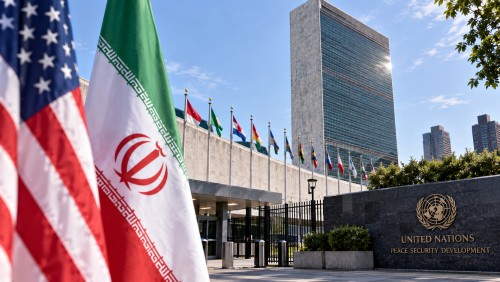
The United States’ decision to grant visas to senior Iranian officials to attend the upcoming United Nations General Assembly in New York underscores Washington’s commitment to its obligations as the host nation of the UN, despite ongoing tensions with Tehran. This move allows Iranian President Masoud Pezeshkian and Foreign Minister Abbas Araqchi to participate in the international gathering, marking a significant diplomatic engagement amid strained US-Iran relations.
While the Iranian delegation will be present at the UN meeting, they will still be subject to US-imposed travel restrictions, limiting their movement to specific locations such as the UN headquarters, Iran’s UN mission, and the Iranian ambassador’s residence. These measures are consistent with previous limitations placed on Iranian officials, reflecting the cautious approach of the US amidst security concerns.
The backdrop to this diplomatic development is the simmering conflict that began on February 28, following US and Israeli military actions against Iran, which prompted retaliatory strikes by Tehran targeting Israel and Gulf states hosting US military bases. Despite these hostilities, both nations have engaged in intermittent diplomatic dialogues, indicating a potential for future negotiations to de-escalate the situation.
Under the 1947 UN headquarters agreement, the United States is generally required to facilitate access for foreign diplomats to the UN. However, the US retains the right to deny visas on grounds of security, terrorism, or foreign policy concerns. This framework underscores the complex balance Washington must maintain as the UN host while addressing its own national security priorities.
In a contrasting decision, the US has opted to deny entry to Palestinian officials, including Palestinian President Mahmoud Abbas, for the General Assembly. This decision reflects the nuanced and often contentious nature of international diplomacy at the UN, where geopolitical considerations frequently intersect with the principles of international engagement.