
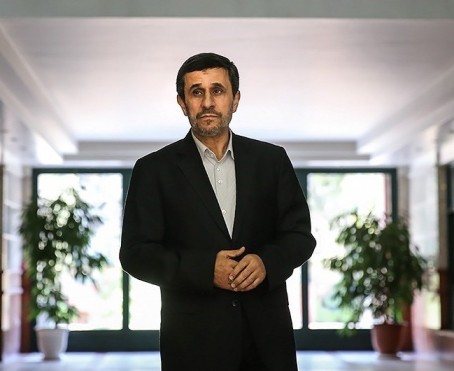
Recent revelations have sparked fresh debate over the United States and Israel’s attempts to destabilize the Iranian regime, with claims emerging that Israel sought to empower Mahmoud Ahmadinejad, a populist figure and former Iranian president. Ahmadinejad’s presidency, spanning from 2005 to 2013, was notorious for his aggressive rhetoric against Israel. However, after a fallout with Supreme Leader Ali Khamenei, he rebranded himself as a regime critic and advocate for the impoverished. Allegations suggest that Israel targeted a security building near his Tehran residence to facilitate his escape from house arrest, although Ahmadinejad reportedly had reservations about this operation. The veracity of these claims remains uncertain, with opinions divided on whether it was a credible plan or disinformation from Ahmadinejad’s allies or Israeli intelligence.
This episode underscores the miscalculations by the US and Israel regarding both the level of internal opposition to the Iranian regime and the effectiveness of military airstrikes to destabilize it. In the face of domestic discontent over rising gas prices, former President Donald Trump aimed to extricate himself from the conflict with Iran but considered additional airstrikes to pressure Tehran into compliance with his conditions. Trump revealed he delayed a planned attack after intervention from Gulf leaders and subsequently engaged in discussions with Israeli Prime Minister Benjamin Netanyahu about possibly resuming military actions.
Amid these developments, Trump expressed confidence in Netanyahu’s alignment with his strategy, stating, “Netanyahu will do whatever I want him to do. He’s a great guy.” The US president also mentioned his desire for a peaceful resolution, although he remained open to various outcomes, emphasizing the strategic significance of reopening the Strait of Hormuz. Meanwhile, Iran remains steadfast in its refusal to meet Washington’s demands concerning uranium enrichment, focusing instead on lifting sanctions in exchange for ending its blockade of the vital waterway. The US has countered with a blockade of Iranian ports, targeting oil shipments primarily destined for China, Iran’s main export market. In response, the Islamic Revolutionary Guard Corps has warned of escalating the conflict beyond the region if US attacks resume.
The Iranian media has cast doubt on the narrative reported, dismissing claims of Ahmadinejad’s house arrest and questioning the legitimacy of the New York Times report. During the initial Israeli strikes on February 28, Iranian news outlets speculated about Ahmadinejad’s fate, though it was later confirmed that an attack had hit a security outpost near his home in Narmak, northeast Tehran. Ahmadinejad reportedly suffered minor injuries, while his bodyguards were killed. Despite his contentious past, including Holocaust denial and anti-Israel policies, Ahmadinejad remains an improbable ally for Netanyahu.
Trump initially aimed to replicate the Venezuelan model, where US forces captured leader Nicolás Maduro but left Caracas’ regime intact. However, Ahmadinejad’s complex relationship with Tehran’s leadership makes a similar scenario in Iran unlikely. His influence waned after a 2011 dispute with Khamenei and subsequent elections favoring rival Ali Larijani as parliament speaker. Arrested in 2018 for criticizing Hassan Rouhani’s government, Ahmadinejad has since been barred from presidential candidacy, including the 2024 elections. His public appearances dwindled, though reports indicate he visited pro-Israel Hungary last June, marking a rare international trip since his presidency ended.