
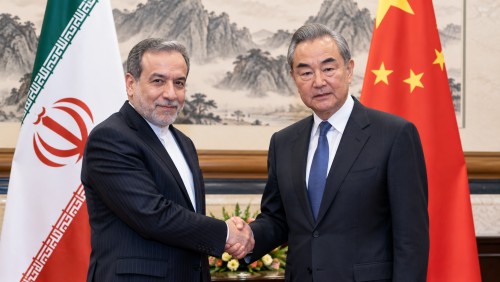
The reopening of the Strait of Hormuz and the stabilization of global energy supplies could hinge on renewed diplomatic efforts between Iran and the United States, as encouraged by Chinese Foreign Minister Wang Yi. In a meeting with Iranian Foreign Minister Abbas Araghchi in Beijing, Wang emphasized the need for restraint and dialogue to ease tensions that threaten international shipping routes and supply chains.
Wang Yi called for both nations to revisit their existing memorandum of understanding and engage in negotiations based on previous agreements. His appeal comes amid ongoing conflicts that, according to Wang, do not benefit any of the involved parties or the broader international community. The strategic Strait of Hormuz, a vital passageway for global energy transportation, remains a focal point in these discussions.
In addition to addressing the immediate concerns around the Strait of Hormuz, Wang urged regional powers to prevent the escalation of tensions into areas like Yemen and the Red Sea. He highlighted the importance of resolving disputes through diplomatic channels and negotiations rather than conflict.
Iranian Foreign Minister Abbas Araghchi responded positively, expressing Iran’s willingness to return to diplomatic discussions while safeguarding its national interests. Araghchi affirmed that Iran views the existing memorandum with the U.S. as valid and is open to strengthening relations and security in the region, with an openness to collaborate with neighboring countries.
Furthermore, Araghchi welcomed China’s initiatives to enhance peace and security in the Middle East, signaling Tehran’s readiness to deepen cooperation with Beijing. This development underscores China’s growing role as a mediator in international diplomatic efforts concerning the Middle East.