
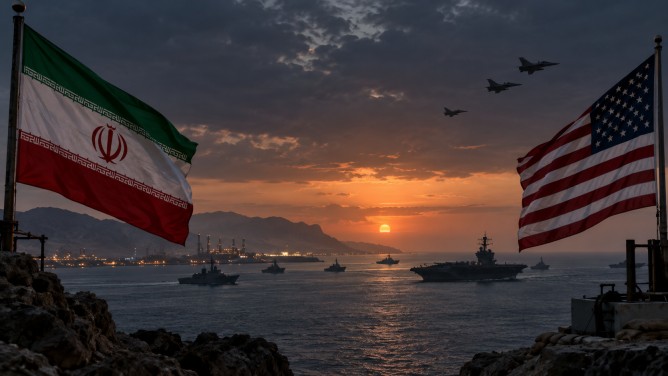
The intensification of tensions in the Middle East is raising significant concerns over regional security and global energy supplies. The recent escalation has particularly impacted oil shipments, contributing to heightened energy prices worldwide. Although there was a slight reprieve in oil prices on September 21, as markets speculated on the potential for renewed diplomacy and a partial recovery in Saudi exports, the situation remains volatile.
The friction between Iran and the United States has reached a new peak, with both sides exchanging threats. U.S. President Donald Trump has urged Iran to engage in negotiations, warning of severe consequences should Tehran refuse. In response, Iran’s military has indicated that any further U.S. attacks would provoke retaliation against American bases and interests in the region. The Iranian military has also suggested that nations supporting U.S. offensives might find themselves embroiled in the conflict.
Meanwhile, as tensions persist, Trump has signaled a willingness to meet with Iranian President Masoud Pezeshkian at the United Nations General Assembly in New York. This potential meeting keeps diplomatic channels open despite the ongoing hostilities, suggesting a possible avenue for de-escalation.
Compounding the regional instability, Yemen’s Houthi movement has intensified its attacks, targeting Saudi Arabia with missiles and drones. The Houthis claimed responsibility for strikes on Riyadh and an oil facility in Yanbu, though Saudi authorities reported successfully intercepting a missile and thwarting other attacks. This escalation not only endangers regional security but also heightens risks for commercial shipping along Yemen’s Red Sea coast and the Bab el-Mandeb Strait.
The conflict’s ripple effects are being felt globally, with increased activity around the Strait of Hormuz further pressuring international energy markets. As a critical chokepoint for oil transportation, any disruption in this area can have far-reaching consequences. The international community remains watchful, hoping for diplomatic resolutions that might stabilize this crucial region.