
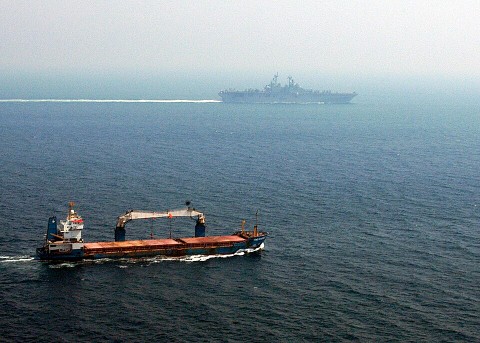
Qatar has taken on a critical role as a mediator in discussions held in Tehran, aiming to address the rising tensions between Iran and the United States concerning the Strait of Hormuz. These negotiations are entering a crucial stage and focus on potentially easing restrictions in this vital maritime corridor. In exchange, there are talks of possible sanctions relief by the U.S. and the unfreezing of Iranian assets. The discussions may set the stage for a temporary framework agreement, which could then lead to further talks on Iran’s nuclear program.
During the negotiations, Iran has expressed interest in asserting more control over the shipping activities through the Strait of Hormuz. Their proposals include imposing transit tolls and directing maritime traffic along designated routes. However, these ideas face strong opposition from the United States, which rejects any toll system in this international waterway. U.S. Secretary of State Marco Rubio and President Donald Trump have both been vocal in opposing Iran’s demands, with Trump maintaining pressure over Iran’s enriched uranium reserves.
Iran seeks a broader agreement that would encompass not only a permanent cessation of hostilities but also a phased lifting of U.S. sanctions. Their demands extend to compensation for damages related to past conflicts and assurances against future military actions. In addition to Qatar’s mediation efforts, Pakistan continues to play a significant diplomatic role, and there are indications that China might be considered as a guarantor for any future agreements.
The Strait of Hormuz is a key energy corridor globally, carrying a significant portion of the world’s oil and gas exports. The potential disruption of this route could have severe effects on international energy markets and trade. Several Gulf nations, including Bahrain, Kuwait, Saudi Arabia, the UAE, and Qatar, oppose Iran’s bid to establish maritime authority over the strait. They caution that such a move could enable Iran to exert undue financial and strategic influence over global shipping routes.