
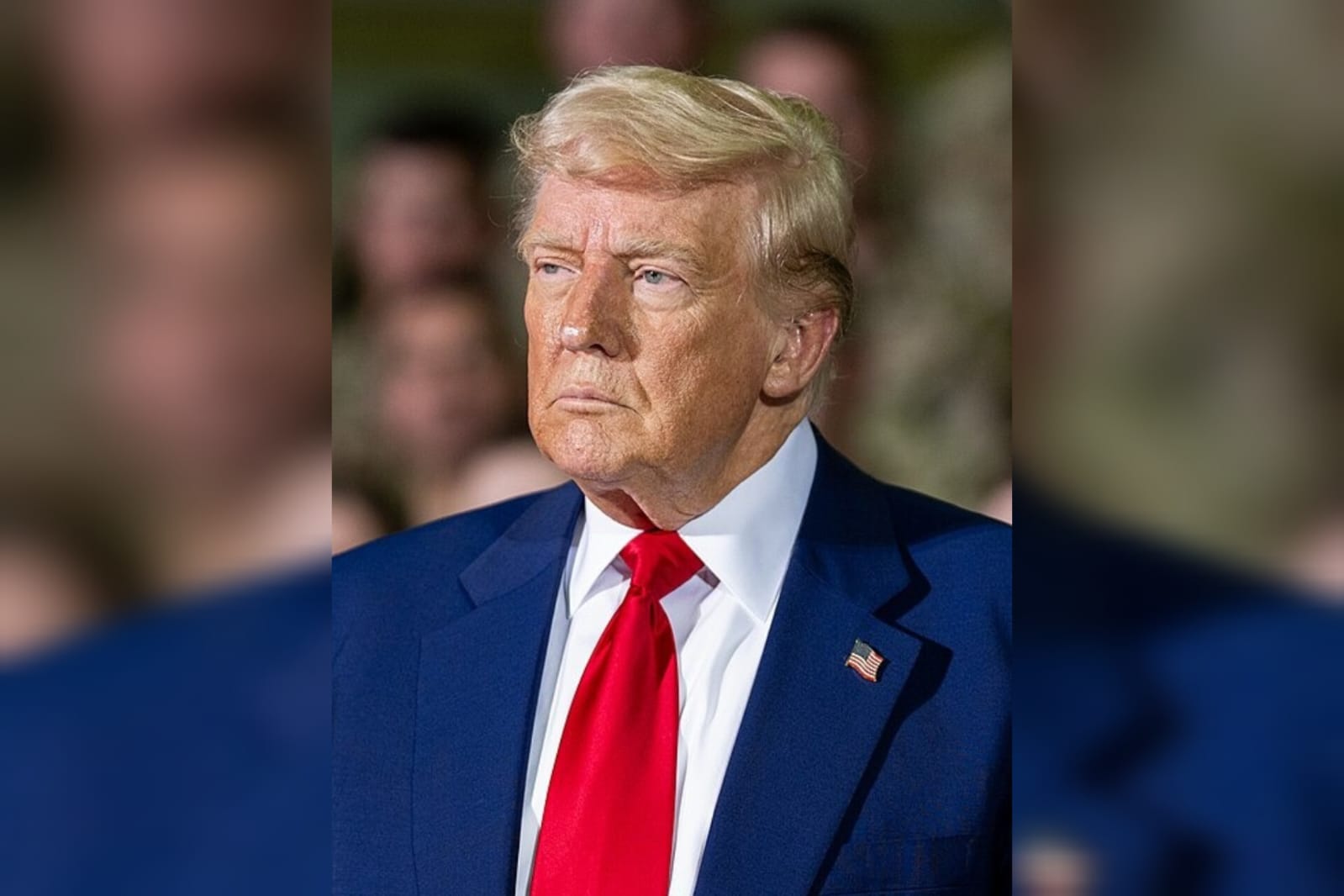
In a significant diplomatic move, U.S. President Donald Trump announced that the recent U.S.–Iran agreement markedly diminishes the security threats faced by Israel. He conveyed to Israeli Prime Minister Benjamin Netanyahu that the deal effectively neutralizes the potential for a nuclear attack from Tehran. Following the signing of a 14-point memorandum, Trump addressed reporters, emphasizing that the primary concern for Israel—an Iranian nuclear strike—has been effectively mitigated through this agreement. He heralded the deal as a crucial security assurance for Israel, confidently stating it guarantees protection against nuclear threats, and described it as the “most important” outcome for the nation.
Before formalizing the agreement, Trump had a direct discussion with Netanyahu, presenting the deal as a safeguard that bolsters Israel’s long-term security. He expressed his belief that Israel would react positively to the agreement, despite persisting regional tensions. This landmark agreement between Washington and Tehran initiates a 60-day negotiation period centered on Iran’s nuclear program and incorporates measures to reopen vital trade routes and alleviate certain sanctions. Furthermore, it addresses aspects of regional stability, although it leaves specific issues unresolved, such as Israel’s military activities in Lebanon, which continue to be politically sensitive.
The U.S. administration has positioned the deal as a significant security achievement, but reactions in Israel have been mixed. Critics warn that reducing pressure on Iran might enhance its regional influence, whereas advocates of diplomacy argue that it could lead to a decrease in the likelihood of broader conflicts. The Israeli leadership is also encountering domestic scrutiny regarding its regional policy strategies, with political adversaries suggesting that recent events indicate strategic errors. Meanwhile, the complete implementation and enduring effects of the agreement remain in question as negotiations proceed.