
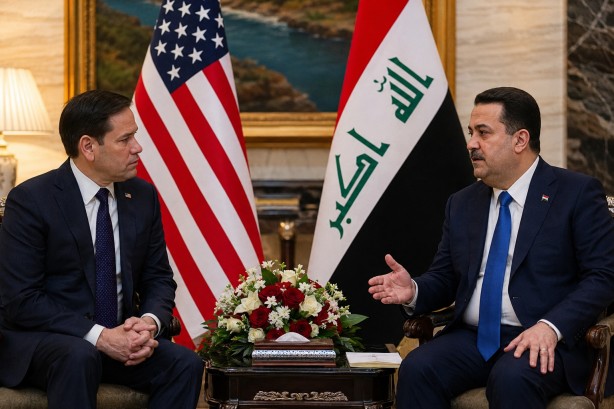
Iraqi Prime Minister Ali Al Zaidi’s recent diplomatic mission to Washington has resulted in the signing of significant economic agreements aimed at bolstering ties with the United States. His visit underscored Iraq’s ambitions to attract foreign investment and enhance security collaborations, positioning Al Zaidi as a leader intent on reform.
Throughout the visit, US officials warmly received Al Zaidi, but experts caution that realizing the promises of security reforms and economic modernization will be an arduous task. Iraq’s internal political landscape, coupled with the sway of Iran-backed factions, presents considerable obstacles. Analysts emphasize that Baghdad faces the ongoing challenge of nurturing its relationships with both the United States and Iran amid persistent regional tensions.
New pathways for cooperation have emerged from Al Zaidi’s trip, yet the long-term benefits hinge on Iraq’s capacity to implement reforms effectively and maintain equilibrium in its foreign relations. The balancing act between Washington and Tehran will be crucial as Iraq navigates its geopolitical reality.
While the visit marks an important step in enhancing bilateral relations, the success of these initiatives depends heavily on Iraq’s internal political stability and its ability to manage external influences. Observers will be watching to see if Iraq can translate these diplomatic engagements into tangible outcomes that solidify its reform agenda and economic growth.