
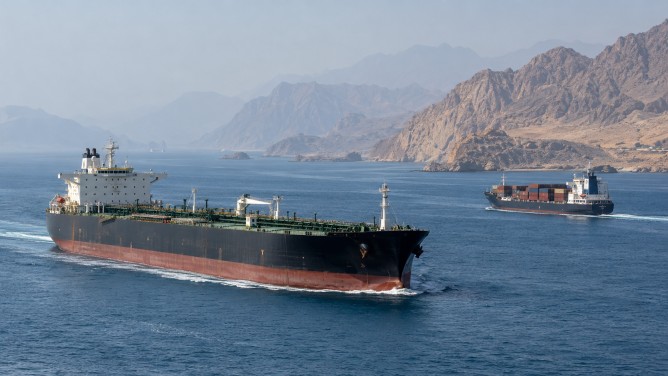
Iranian Foreign Minister Abbas Araghchi has indicated that the strategically vital Strait of Hormuz could reopen in six days if the United States agrees to Tehran’s conditions. The conditions set by Iran include lifting the US blockade on Iranian ports, removing sanctions on Iranian oil exports, and ceasing hostilities across regional fronts. The possibility of resuming negotiations is contingent on Washington’s response to these proposals, with talks potentially beginning on the seventh day.
The reopening of the Strait of Hormuz, a crucial global shipping lane that previously facilitated approximately one-fifth of the world’s oil and liquefied natural gas trade, hinges on these diplomatic developments. Any continued disruption in the strait could have significant repercussions for international energy markets, emphasizing the importance of resolving the standoff.
However, a major sticking point in the negotiations remains the disagreement over Iran’s nuclear program. The United States insists that issues surrounding uranium enrichment and other nuclear matters be addressed upfront, while Iran prioritizes discussions on securing the waterway and lifting restrictions.
In a separate statement, Iran’s Defense Minister Mehrdad Akhlaghi issued a warning that any renewed US military action would result in “enormous damage” to both Washington and its regional allies. He expressed confidence in Iran’s military capabilities to respond effectively to any further aggression.
The ongoing tensions and differing positions between Iran and the United States leave the future of the negotiations uncertain, with both sides standing firm on their prerequisites for ending hostilities and reopening the Strait of Hormuz.