
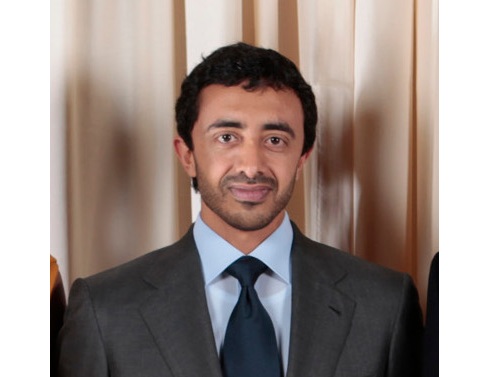
During a critical phone discussion with the Kuwaiti Foreign Minister Sheikh Jarrah Jaber Al Sabah, UAE Deputy Prime Minister and Minister of Foreign Affairs Sheikh Abdullah bin Zayed Al Nahyan condemned Iran’s recent missile and drone attacks on Kuwait, labeling them as acts of terrorism. The conversation centered on the recent regional developments and the security implications following the attacks, which have heightened tensions in the area.
Kuwait’s air defense systems effectively intercepted the incoming threats, as confirmed by the local authorities. They reassured the public that the explosions heard were due to the successful interceptions of these hostile projectiles. The UAE’s Foreign Minister, Sheikh Abdullah, expressed unwavering solidarity with Kuwait, emphasizing the UAE’s commitment to supporting all actions necessary to ensure Kuwait’s security and stability. He underscored the interconnected nature of security between Kuwait, the UAE, and the broader Gulf region.
This incident comes amid ongoing diplomatic negotiations between the United States and Iran. American officials have reported progress in these talks, although any agreement remains pending final approval. Despite these diplomatic efforts, tensions over maritime security continue to simmer, particularly in the Strait of Hormuz, a critical passage for global oil shipments.
In response to recent U.S. statements about shipping activities in the Strait of Hormuz, Iran has voiced strong opposition, describing the remarks as unlawful and contrary to international norms. These developments reflect a complex geopolitical landscape where diplomatic and military tensions coexist.
The UAE’s expression of support for Kuwait signals a growing concern within the region regarding security and stability amidst these challenges. As diplomatic channels remain active, the reality of heightened military tensions serves as a backdrop, underlining the urgent need for effective and sustained regional security measures.