
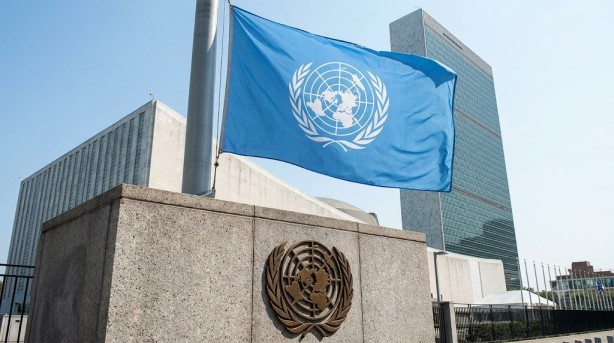
The United Nations has issued a cautionary statement regarding the swift advancement of artificial intelligence, emphasizing the potential for this technology to exacerbate global inequality. The UN’s concern stems from the concentration of technology, infrastructure, and expertise among a limited number of countries and corporations, which could hinder equitable access and benefits worldwide.
An independent UN scientific panel on AI has released a report highlighting that merely granting access to AI tools is insufficient to ensure equitable outcomes. The report points out that nations reliant on foreign AI models, cloud services, and data infrastructure may face challenges in establishing standards, ensuring safety, and adapting technologies to local needs. This dominance by a few major players could potentially stifle the participation of developing countries in the AI revolution.
While the report acknowledges the transformative potential of AI in sectors like healthcare, education, and agriculture, it also warns of the risks, such as fraud, misinformation, and threats to democratic processes. To mitigate these risks and harness the benefits, the UN panel advises countries to focus on developing local AI infrastructure, enhancing digital skills, promoting AI education, and investing in research on safety and performance monitoring post-deployment.
The current landscape of AI development is largely dominated by economic powerhouses like the United States and China, who are at the forefront with their advanced AI models and robust computing infrastructure. This concentration, as highlighted by experts, could marginalize developing countries, preventing them from fully engaging with AI advancements. Additionally, the report identifies language barriers and unequal internet access as significant obstacles, noting that many AI systems are optimized for commonly spoken languages, leaving billions of people without internet access unable to benefit from AI’s growth.
In response to these challenges, the UN is advocating for international collaboration and responsible AI development practices. The goal is to ensure that AI serves as a tool for inclusive growth rather than further entrenching existing disparities. By fostering cooperation and promoting responsible use, the UN aims to create an environment where AI can contribute positively to global development.