
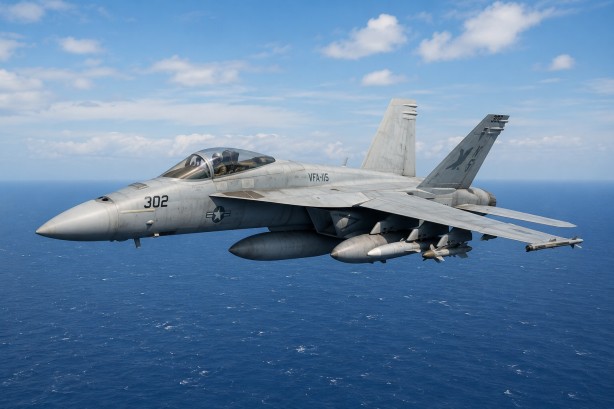
Escalating tensions between the United States and Iran have reignited fears of a broader conflict in the region, following a series of military engagements despite a recent temporary agreement. The United States has conducted airstrikes on targets in proximity to Tehran and other strategic locations, as well as intercepted a vessel allegedly breaching its naval blockade. Iranian authorities have reported casualties and criticized the attacks, highlighting strikes that occurred near civilian infrastructure.
In retaliation, Iran has launched missile and drone attacks targeting several nations in the region where US military bases are located, including Bahrain, Jordan, and Kuwait. Concerns over regional security have been heightened due to reports of drone activity near Iraq’s oil facilities, further complicating the already tense situation.
The strategic Strait of Hormuz has also become a focal point of rising tensions, as Iran has issued warnings against foreign intervention in this vital shipping corridor. The country has indicated the possibility of expanding its military actions if its critical infrastructure continues to be targeted, contributing to disruptions in shipping. These developments have raised alarms over global energy security, as oil prices have surged amidst the ongoing conflict.
In response to the escalating situation, several nations are reassessing their maritime security protocols. Meanwhile, the flow of shipping through the Strait of Hormuz has noticeably decelerated, reflecting the growing uncertainty and instability in the region.
Despite the military confrontations, there remains a glimmer of hope for diplomacy, as efforts to revive negotiations persist. Nevertheless, officials from both Washington and Tehran have expressed distinctly opposing views, casting doubt on the feasibility of achieving a durable ceasefire in the near future.