
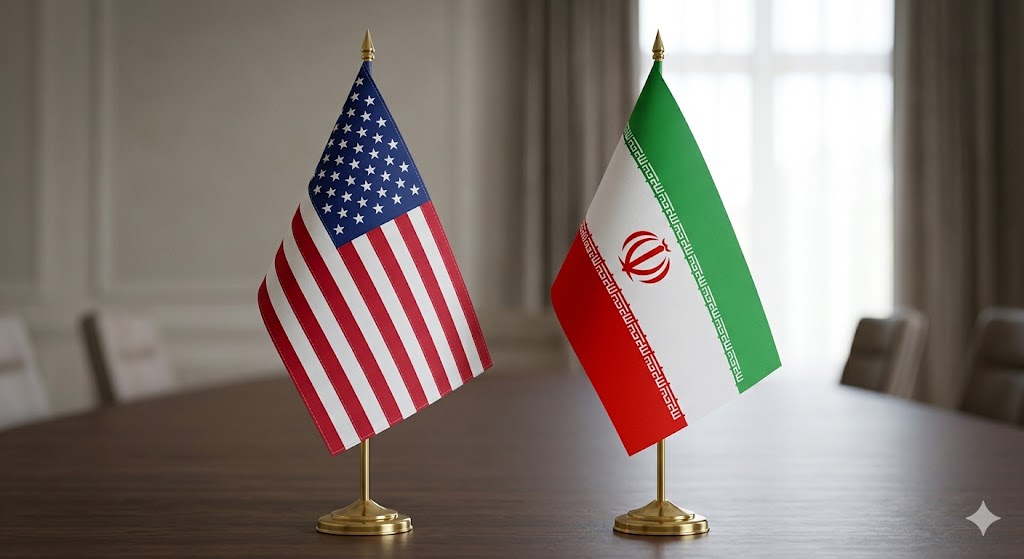
Peace talks between the United States and Iran, intended to further a comprehensive agreement on Iran’s nuclear program and foster regional stability, have been unexpectedly postponed. The delay follows a significant surge in hostilities between Israel and Hezbollah. The discussions were set to occur in Switzerland, building on a recently signed memorandum that laid the groundwork for future negotiations. However, the outbreak of violence along the Israel-Lebanon border prompted the cancellation of the meeting.
The escalation in conflict erupted when Hezbollah initiated attacks on Israeli forces in southern Lebanon, resulting in casualties among Israeli troops. In response, Israel conducted extensive airstrikes against Hezbollah positions in southern Lebanon and the Bekaa Valley, leading to multiple deaths and injuries. This resurgence in hostilities has heightened worries about the durability of ceasefire efforts and complicated diplomatic initiatives already in progress.
Despite the setback, both Washington and Tehran had expressed a willingness to continue negotiations. However, officials have stated that prevailing conditions are not conducive for talks to move forward at present. The postponement of these discussions injects further uncertainty into efforts aimed at reducing tensions in the region and securing a lasting agreement concerning Iran’s nuclear activities.
Meanwhile, international leaders have called for restraint, urging all parties involved to adhere to ceasefire commitments in order to prevent further escalation. The delay in the peace talks underscores the challenges faced in navigating the complex dynamics of Middle Eastern geopolitics and the fragile balance of power within the region.